I have written a number of accessible articles for The Collector about modern and contemporary art. Below is an extract from 6 Key Artists of the New Objectivity Movement.

6 Key Artists of the New Objectivity Movement
From war trauma to gender identity, see how New Objectivity artists captured the beauty and brutality of Weimar Germany.
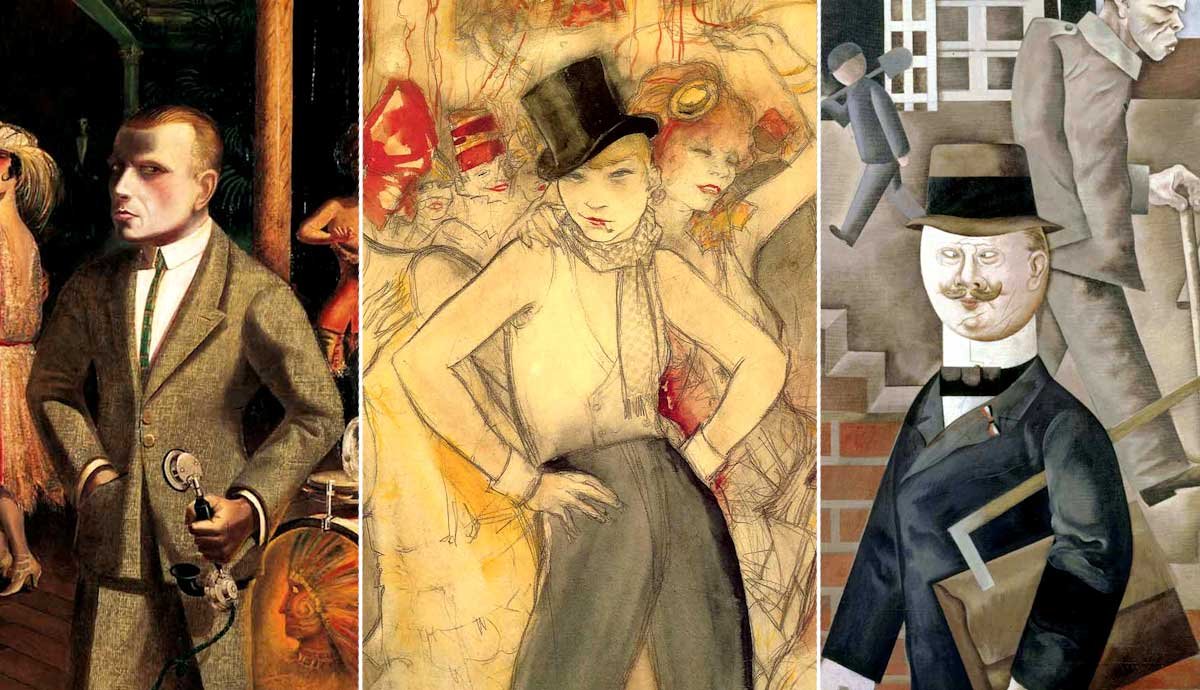
The New Objectivity movement (or Neue Sachlichkeit in German) sought to portray a raw, unfiltered reality amidst the social chaos of the era. Artists rejected idealism, focusing instead on precise, often stark depictions of modern society. Themes ranged from urbanization and technology to the aftermath of World War I and social inequality. The movement dissolved with the rise of Nazism, leaving behind a vibrant legacy of socially critical art.
The Rise of the New Objectivity Movement
The New Objectivity was a movement that flourished in Weimar Germany after the First World War. Germany suffered greatly both during the war and in its aftermath. Rapid inflation led to extreme poverty and hunger. Many men were wounded, both physically and psychologically, and many women turned to sex work in order to make ends meet. After a period of destitution, the country experienced an economic upturn (also known as the Roaring Twenties), which resulted in a society that some people viewed as decadent and immoral. Much of the art of the New Objectivity was very critical of the war and of the society that emerged from it.
Artists of this movement attempted to convey something about German society and its people from a detached and objective perspective. They wanted to portray Germany as it truly was, in all its decadent highs and terrible lows. The movement has been said to be roughly divided between two styles: the verists, whose work was focused on biting satire, and the classicists, whose work was perhaps more concerned with beauty. What ties the art of the New Objectivity together is a commitment to portraying German society, a detached perspective, a sense of cynicism, and an embrace of caricature and satire.
Breaking From the Past
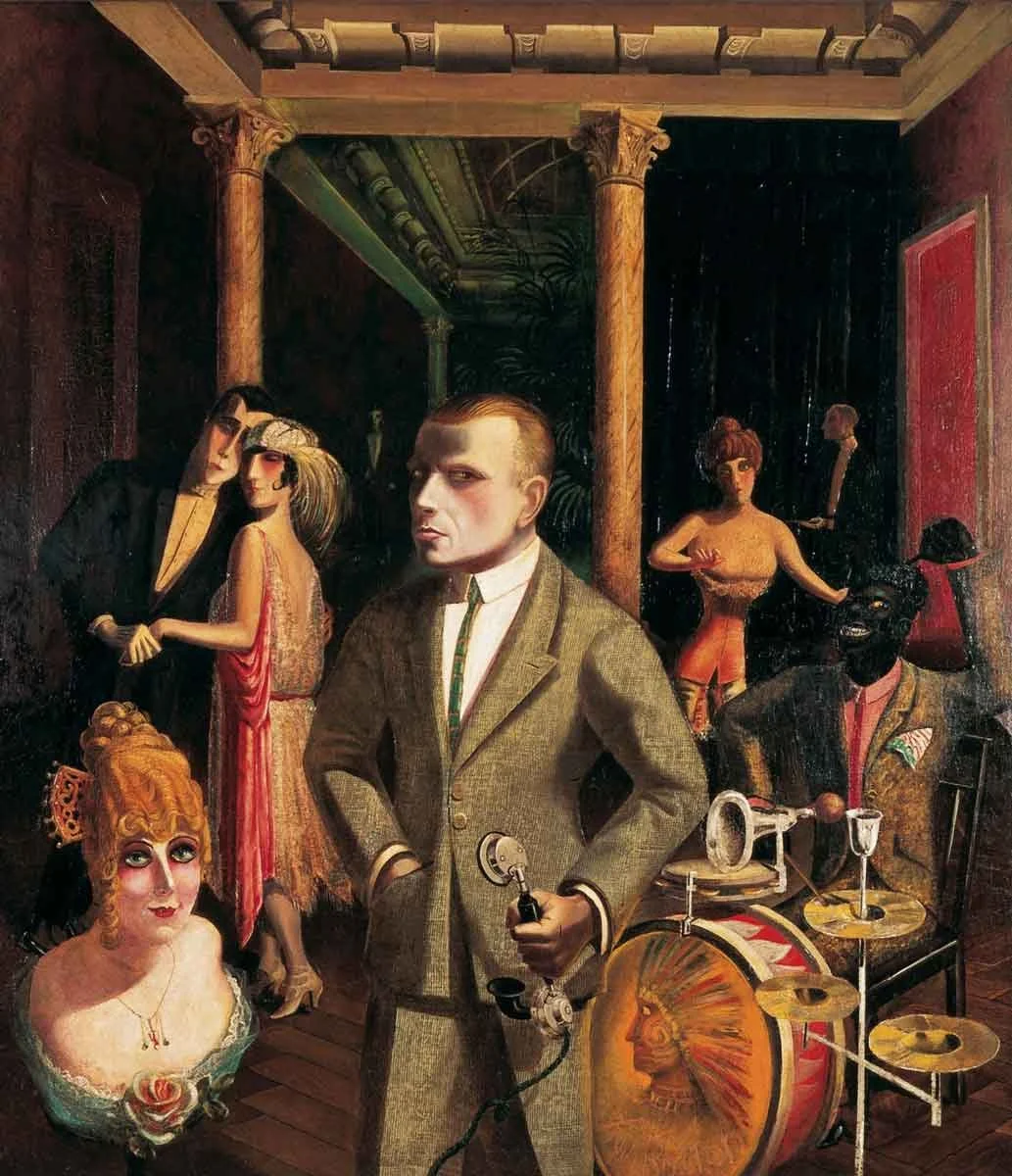
Before the war, Expressionism had been the dominant movement in Germany—a movement that valued emotional expression, subjective experience, gestural brush strokes, and suggestive use of color. Immediately after the war, the Dada movement blossomed. In Dada, the fragmented minds and bodies of soldiers were expressed through the fragmented surfaces of collages and photomontages. The New Objectivity rejected the subjectivity of Expressionism and embraced the social commentary of Dada. This new movement was formed around a set of shared tendencies, rather than a specific visual style.